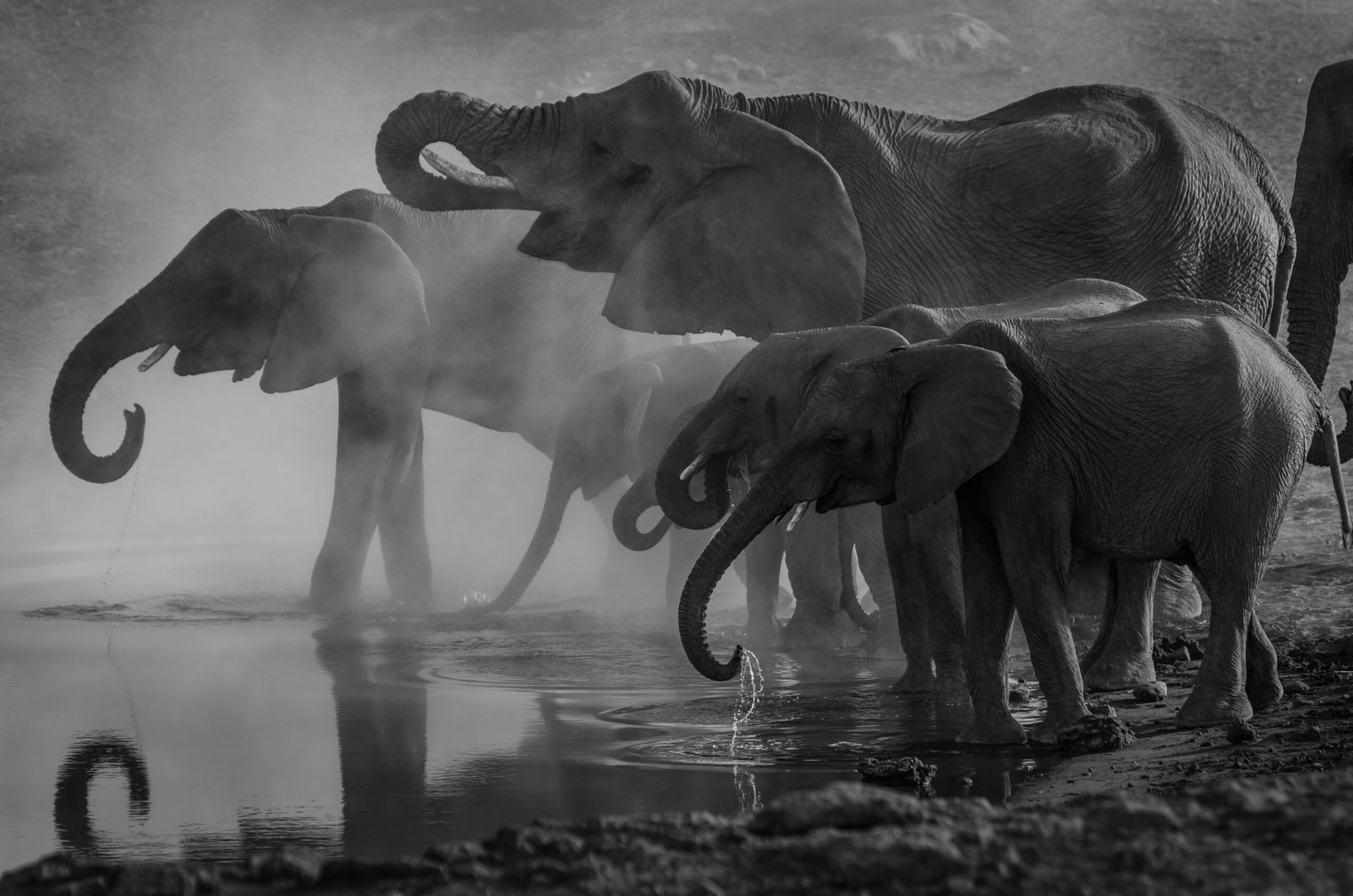
Introduction to Elephants
Elephants are majestic creatures celebrated for their intelligence, social behavior, and significant physical presence. Predominantly found in Africa and Asia, they are regarded as the largest and among the most fascinating land animals. This step-by-step tutorial aims to provide a comprehensive understanding of elephants, including their habitat, behavior, and conservation efforts.
Understanding Elephant Habitats
Elephants generally thrive in diverse habitats, ranging from savannas, forests, deserts, to marshes. The African elephant is more commonly found in sub-Saharan regions, while the Asian elephant usually inhabits areas of India, Sri Lanka, and Southeast Asia. These habitats provide the essential resources elephants need, such as water, vegetation, and shelter.
Elephant Social Structure and Behavior
Elephants are known for their complex social structures and behaviors. They live in matriarchal herds led by the oldest female, called the matriarch. Herds typically consist of closely related females and their offspring. Male elephants, once they reach adolescence, often leave the herd to lead solitary lives or form temporary bachelor groups. Elephants communicate through vocalizations, body language, and chemical signals, showcasing their highly developed social intelligence.
Conservation Efforts for Elephants
Elephants face numerous threats, including habitat loss, poaching for ivory, and human-wildlife conflict. Various conservation efforts are in place to protect these magnificent creatures. Organizations worldwide are working to combat poaching, preserve natural habitats, and promote coexistence between humans and elephants. Supporting these efforts through education, advocacy, and responsible tourism can make a significant difference in ensuring the survival of elephants for future generations.
Conclusion
Understanding elephants involves exploring their natural habitats, social behaviors, and the ongoing efforts to conserve them. By appreciating the complexities of these gentle giants, we can contribute to their protection and continue to marvel at one of nature’s most remarkable animals.