Introduction
Cockroaches are often viewed negatively due to their association with unclean environments. However, they can also be fascinating creatures to study and even keep as pets. This tutorial will guide you through the steps for raising cockroaches successfully.
Choosing the Right Species
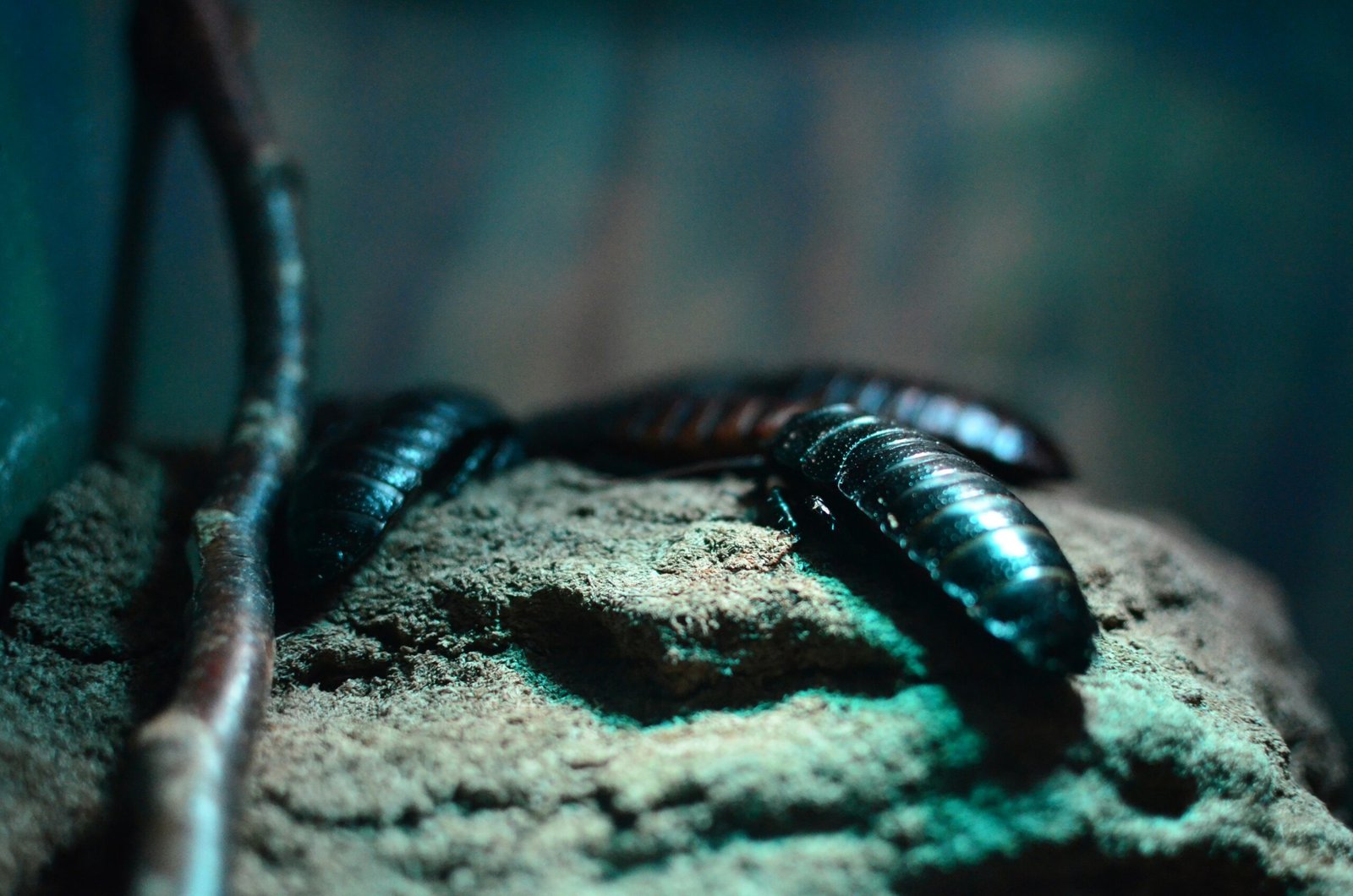
The first step in raising cockroaches is selecting the appropriate species. Popular species include the Madagascar hissing cockroach and the Dubia cockroach. Each species has different requirements, so research thoroughly to ensure you choose the one that fits your needs.
Setting Up the Habitat
The habitat for your cockroaches should mimic their natural environment as closely as possible. Choose a glass or plastic enclosure with a secure lid to prevent escape. Provide ample hiding spots using egg cartons, toilet paper rolls, or cardboard. The enclosure should be kept at a constant temperature, ideally between 75-85 degrees Fahrenheit.
Feeding and Nutrition
Cockroaches are omnivorous and will eat a variety of foods. Offer them fresh fruits and vegetables, grains, and even dog or fish food. Ensure a constant supply of water, either through water crystals or a shallow dish with cotton wool to prevent drowning.
Maintaining Cleanliness
Although cockroaches are hardy, maintaining a clean environment is crucial for their health. Remove uneaten food to prevent mold growth and clean the enclosure regularly. Replace the substrate periodically to reduce odor and maintain hygiene.
Breeding Cockroaches
If you’re interested in breeding cockroaches, ensure optimal conditions such as a warm environment and ample food. Female cockroaches carry eggs internally, which hatch into nymphs. Provide plenty of hiding spaces for nymphs to thrive and grow.
Conclusion
Raising cockroaches can be a rewarding and educational experience. By following these steps, you’ll create a healthy, sustainable environment for your cockroaches to thrive. Always remember to handle them gently and respect their role in the ecosystem.